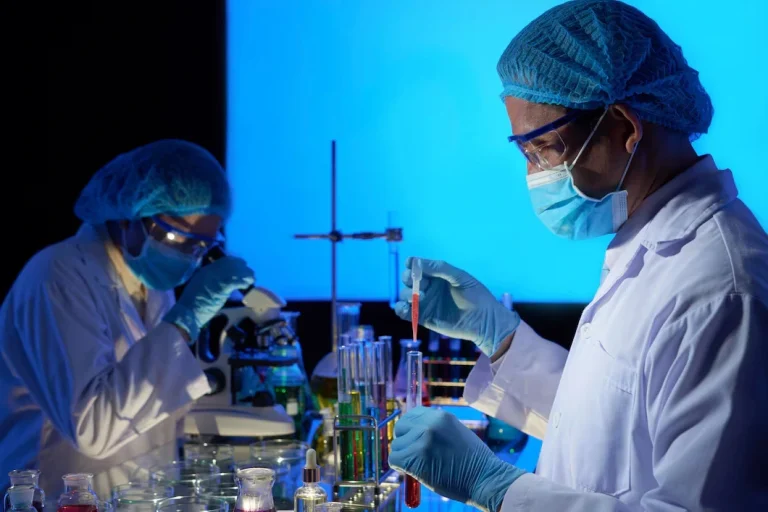
Paramedical Courses After 12th: Skip the MBBS, Still Save Lives
You did not crack NEET. Or maybe you just do not want to spend 5.5 years becoming a doctor. That is completely fine. Because the truth is – hospitals cannot run on doctors alone.
Behind every diagnosis, every surgery, every ICU recovery – there is a whole team of trained paramedical professionals working quietly, precisely, and purposefully. Lab technicians, physiotherapists, radiology operators, emergency care workers – they are the ones who keep the healthcare system alive.
The best part? You do not need NEET to become one of them. You just need a 12th pass with science and the will to get started.
What Are Paramedical Courses?
Paramedical courses are professional healthcare programmes that train students to support doctors in diagnosis, treatment, rehabilitation, and emergency care. They are not MBBS alternatives – they are completely separate, well-defined career paths.
Unlike a doctor who treats illness, a paramedical professional often detects it first (lab tests, imaging), supports the treatment (OT assistance, anaesthesia), helps recovery (physiotherapy), or handles emergencies (EMT). Every single one of these roles is important, and all of them are in demand.
Who Can Apply?
Most paramedical courses share the same simple eligibility criteria:
- 12th pass from a recognised board with Science stream (Physics, Chemistry, Biology)
- Minimum 45-50% marks in aggregate (40% for reserved categories)
- No NEET required – admission is through state entrance exams or merit
- Age: Usually 17 years and above
Some diploma-level courses in hospital administration or medical records even accept Arts/Commerce students, making paramedics one of the most accessible healthcare fields in India.
Types of Paramedical Courses Available
Paramedical programmes broadly fall into three levels:
| Level | Duration | Best For |
| Degree (B.Sc / BPT / BMLT) | 3-4.5 years | Deep specialisation, government jobs |
| Diploma | 1-2 years | Faster entry, lower cost |
| Certificate | 6 months-1 year | Add-on skills or entry-level roles |
Within these levels, you can specialise in diagnostic, therapeutic, or emergency care fields depending on what excites you most.
Top Paramedical Courses After 12th (Without NEET)
Here is a look at the most in-demand paramedical courses, what they involve, and what kind of career they lead to:
1. B.Sc Medical Laboratory Technology (MLT) / DMLT
This is one of the most sought-after paramedical courses in India. You learn to run diagnostic tests – blood analysis, pathology, microbiology, and biochemistry – that doctors rely on to make treatment decisions.
- Duration: 3-4 years (B.Sc) / 2 years (Diploma)
- Job Roles: Lab Technologist, Pathology Assistant, Quality Control Analyst
- Salary: ₹3 LPA – ₹8 LPA (grows fast in NABL-accredited labs)
- Government Jobs: AIIMS, ESIC, state hospitals, Railways, district government labs
- Best For: Students strong in Biology and Chemistry who enjoy precision work
2. Bachelor of Physiotherapy (BPT)
Physiotherapy is one of the few paramedical fields where you can open your own independent practice within just 3-4 years of graduating. You work with patients on movement, rehabilitation, and pain recovery – covering sports injuries, neurological conditions, and post-surgery recovery.
- Duration: 4.5 years (including 6-month internship)
- Job Roles: Physiotherapist, Rehab Specialist, Sports Therapist
- Salary: ₹2.5 LPA – ₹10 LPA (own clinic can go higher)
- Government Jobs: ESIC, Armed Forces, Sports Authority of India, state hospitals
- Best For: Students who enjoy working one-on-one with patients and are interested in physical health
3. B.Sc Radiology & Imaging Technology / Diploma in Radiography
Radiology technologists operate imaging equipment – X-ray, MRI, CT scan, ultrasound. Every hospital above 50 beds needs at least one. Trained radiology staff are particularly in shortage in Tier 2 and Tier 3 cities, which means faster hiring and fewer competitors in smaller markets.
- Duration: 3-4 years (B.Sc) / 2 years (Diploma)
- Job Roles: Radiology Technician, MRI Technician, Imaging Technologist
- Salary: ₹3.5 LPA – ₹8 LPA
- Government Jobs: District hospitals, ESIC, AIIMS, Railways
- Best For: Students good in Physics who enjoy working with technical equipment
4. B.Sc Operation Theatre Technology (OTT)
OT technologists assist surgeons directly during procedures – setting up equipment, maintaining sterile conditions, and managing surgical instruments. This is a high-responsibility role in a structured hospital environment.
- Duration: 3-4 years
- Job Roles: OT Technician, Surgical Assistant, OT Supervisor
- Salary: ₹3 LPA – ₹7 LPA
- Government Jobs: Government multispecialty hospitals, ESIC, state health departments
- Best For: Students who want a precise, technical hospital environment
5. B.Sc Cardiovascular Technology
This course focuses on heart diagnostics and cardiac support – ECG, echocardiography, Cath lab assistance. With heart disease being one of India’s biggest health problems, trained cardiac technicians are in growing demand.
- Duration: 3-4 years
- Job Roles: Cardiac Technician, ECG Technician, Cath Lab Assistant
- Salary: ₹3.5 LPA – ₹8 LPA
- Best For: Students interested in the cardiology department and clinical technology
6. B.Sc Dialysis Technology
Dialysis technologists operate renal dialysis machines for patients with chronic kidney disease. India’s rising rate of diabetes and hypertension keeps pushing up the demand for trained dialysis staff, especially in Tier 2 cities where dedicated kidney care centres are expanding fast.
- Duration: 3 years
- Job Roles: Dialysis Technician, Renal Care Technician, Unit Head
- Salary: ₹3 LPA – ₹7 LPA
- Best For: Students who want a structured, steady clinical environment in nephrology
7. B.Sc Emergency Medical Technology (EMT)
EMTs are the people who rush in when something goes wrong. This course trains you in life-saving techniques, patient stabilisation in the field, and critical care transport. It is one of the most action-oriented paramedical careers available.
- Duration: 2-4 years
- Job Roles: Emergency Medical Technician, Ambulance Paramedic, Trauma Care Assistant
- Salary: ₹2.5 LPA – ₹5 LPA
- Best For: Students who want a fast-paced, emergency-focused career
8. B.Sc Optometry / Diploma in Optometry
Optometrists diagnose vision problems and prescribe corrective lenses. With India’s growing rate of myopia – especially among children and young adults – the demand for optometrists is expanding beyond hospitals into optical retail chains and community eye care centres.
- Duration: 4 years (B.Sc) / 2 years (Diploma)
- Job Roles: Optometrist, Vision Consultant, Ophthalmic Technician
- Salary: ₹2.5 LPA – ₹7 LPA
- Best For: Students interested in eye care and vision science
9. GNM / ANM Nursing
GNM (General Nursing and Midwifery) and ANM (Auxiliary Nurse Midwifery) are government-recognised nursing programmes regulated by the Indian Nursing Council. These are the most widely available paramedical options in Tier 2 and Tier 3 cities, and they have the highest volume of government hospital recruitment through NHM, Railways, and state health departments.
- GNM Duration: 3.5 years | ANM Duration: 2 years
- Job Roles: Staff Nurse, Midwife, Community Health Worker
- Salary: ₹2.5 LPA – ₹8 LPA (government scale varies by state)
- Best For: Students who want maximum government job access and are open to rural or community health postings
10. B.Sc Nutrition & Dietetics
Nutrition and dietetics is a lesser-discussed but growing paramedical field. As India deals with both obesity and malnutrition, qualified dietitians are needed in hospitals, fitness centres, sports teams, and corporate wellness programmes.
- Duration: 3 years
- Job Roles: Clinical Nutritionist, Dietician, Wellness Consultant
- Salary: ₹2.5 LPA – ₹6 LPA
- Best For: Students passionate about food, health, and preventive care
Salary Overview: What Can You Earn?
| Course | Fresher Salary | Experienced Salary |
| B.Sc MLT / DMLT | ₹3 – ₹4.5 LPA | ₹6 – ₹10 LPA |
| BPT (Physiotherapy) | ₹2.5 – ₹4 LPA | ₹8 LPA+ (own clinic) |
| B.Sc Radiology | ₹3.5 – ₹5 LPA | ₹6 – ₹9 LPA |
| B.Sc Cardiovascular Tech | ₹3.5 – ₹5 LPA | ₹7 – ₹10 LPA |
| GNM / ANM | ₹2.5 – ₹4 LPA | ₹6 LPA+ (govt scale) |
| B.Sc Dialysis Tech | ₹3 – ₹4.5 LPA | ₹5 – ₹8 LPA |
| B.Sc OT Technology | ₹3 – ₹4.5 LPA | ₹5 – ₹8 LPA |
| B.Sc Optometry | ₹2.5 – ₹4 LPA | ₹5 – ₹7 LPA |
Salaries depend on your city, employer type, and specialisation. Government posts follow the 7th Pay Commission structure. Private sector figures vary.
Where Do Paramedical Professionals Work?
After completing a paramedical course, you can work across a wide range of healthcare settings:
- Government & Private Hospitals – Core employment across all roles
- Diagnostic Labs & Imaging Centres – Lab techs, radiology specialists
- Rehabilitation Centres & Clinics – Physiotherapists, occupational therapists
- Ambulance Services & Emergency Units – EMTs, paramedics
- Community Health Centres (PHC/CHC) – Nurses, ANMs, health workers
- Pharmaceutical & Research Companies – Lab roles, quality control
- International Opportunities – UAE, UK, Canada, Australia actively recruit Indian-trained paramedics
Platforms like [Edu Duniya] can help you research which hospitals and institutes offer the best placement support before you choose a college.
Why Choose Paramedical Instead of MBBS?
This is not a backup plan – it is a completely different, well-paying career path with its own strengths:
- No NEET pressure. Admission is through 12th marks or state-level paramedical tests.
- Faster entry. Most programmes are 2 — 4.5 years, compared to MBBS at 5.5 years.
- Real job demand. India has a documented shortage of trained paramedical staff in almost every category.
- Government job access. AIIMS, ESIC, Railways, NHM, and state hospitals recruit paramedics regularly.
- Independent practice. Physiotherapists and optometrists can open their own clinics within a few years of graduating.
- Scope to grow. You can do M.Sc. in your specialisation, PG diplomas, or move into teaching roles at colleges.
How to Pick the Right Course
Choosing the right paramedical course is more about your work preference than your marks. Here is a simple way to think about it:
- You like precision lab work → B.Sc MLT or DMLT
- You enjoy working with patients physically → BPT (Physiotherapy)
- You are interested in imaging and technology → B.Sc Radiology
- You want the highest government job volume → B.Sc Nursing / GNM
- You want a fast, emergency-driven career → B.Sc EMT
- You prefer eye care or vision science → B.Sc Optometry
- You are interested in heart and cardiac work → B.Sc Cardiovascular Technology
- You need to start working sooner → DMLT or Diploma in Radiology (2 years)
One important tip before you finalise anything: verify that the college is recognised by the relevant council – Indian Nursing Council for nursing, state paramedical councils for allied health courses. An unrecognised degree can block you from government job applications entirely.
[Edu Duniya] offers guidance on finding council-recognised colleges across India, which can save you a lot of confusion during the application process.
Can Paramedical Professionals Work Abroad?
Yes – and this is one of the biggest advantages of this career path. Countries like UK, USA, Canada, Australia, UAE, and New Zealand actively recruit Indian-trained paramedical professionals, especially in nursing, physiotherapy, radiology, and lab technology. However, you may need to clear local licensing exams or complete short bridging courses depending on the destination country.
Starting at a reputed, council-affiliated institution in India gives you the strongest foundation for international recognition later.
Conclusion
MBBS is one path to healthcare. Paramedical is another – and for many students, it is actually the smarter one.
It gets you into the healthcare system faster, costs less, has clear job demand, and gives you the chance to be genuinely essential to patient care every single day.
Whether you run diagnostic tests that catch diseases early, operate imaging equipment that guides a surgeon, or help a patient relearn how to walk after a stroke – these careers matter. They save lives too, just in a different way.
Pick a course that matches your real interests, verify the college’s recognition, and take the step. Healthcare is one field where trained, committed professionals are never short of opportunities.
Frequently Asked Questions (FAQs)
Most paramedical courses require Biology as a core 12th subject. However, some courses – like Hospital Administration, Medical Record Technology, and certain diploma programmes – accept students from non-Biology or even Commerce backgrounds. Check the specific eligibility for each course before applying.
Yes. Government polytechnics, state health universities, AIIMS, and IMS BHU offer various paramedical programmes. Government colleges have much lower fees than private institutions and often provide better placement access to government hospitals.
It depends on your timeline and goals. A diploma (1-2 years) gets you working faster and costs less. A degree (3-4.5 years) gives you better government job eligibility, higher starting salary, and the ability to pursue postgraduate studies. If you can invest the time, a degree-level qualification is usually more beneficial in the long run.
Yes, in certain roles. Physiotherapists, optometrists, and medical lab technologists can open independent practices, provided they meet state licensing and registration requirements. Many graduates start their own practices 2-3 years after getting hospital experience.
Yes. Countries like the UK, Australia, Canada, UAE, and the USA regularly recruit Indian paramedical professionals. Nursing, physiotherapy, radiology, and lab technology graduates have strong international opportunities. You may need to clear local licensing exams or take bridging programmes depending on the country.
Most paramedical programmes admit students through state-level entrance exams or direct merit-based selection based on 12th marks. Institutions like AIIMS conduct their own paramedical entrance tests. Some private colleges offer direct admission based on marks alone.
Yes. Completing a paramedical course does not close the MBBS door. You can still appear for NEET after finishing your paramedical programme. Many students use their paramedical training as both a career and a preparation ground, gaining real healthcare exposure before deciding on further medical education.