BSc Biotechnology Scope: Top Careers, Salaries & Future in India
Have you just finished Class 12 with Biology and are wondering what to do next? Or are you someone who loves science and wants a career that actually makes a difference in the world?
If yes, BSc Biotechnology is one of the smartest choices you can make right now.
From the COVID-19 vaccine to cancer medicines, from better crops to cleaner water – biotechnology is quietly working behind all of it. And the best part? India is becoming one of the world’s biggest biotech hubs, which means the jobs are here, the money is real, and the future is very bright.
Let’s break it all down for you – simple, clear, and straight to the point.
What Is BSc Biotechnology?
BSc Biotechnology is a 3 to 4-year undergraduate science degree. It sits right at the meeting point of biology and technology. You study how living organisms work – and then learn how to use that knowledge to create useful things like medicines, vaccines, better crops, and diagnostic tools.
Core subjects you study:
- Cell Biology and Genetics
- Microbiology and Biochemistry
- Molecular Biology and Immunology
- Bioinformatics
- Genetic Engineering
- Bioprocess Engineering
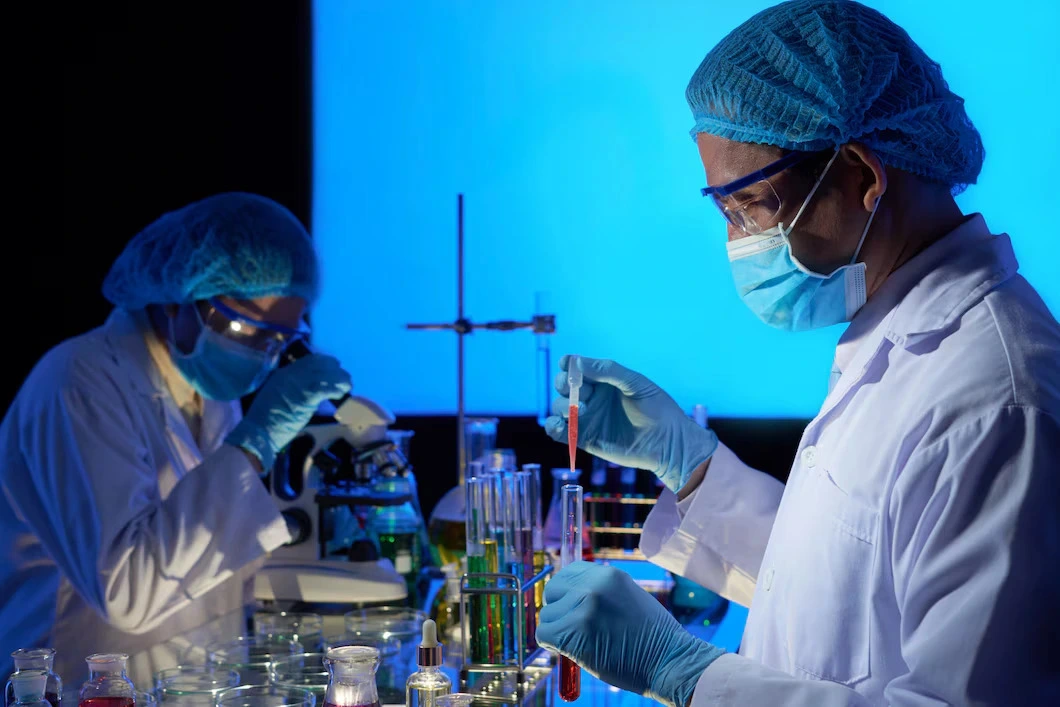
You also get hands-on lab training – working with techniques like DNA sequencing, PCR, cell culture, and chromatography. This practical experience is what makes biotech graduates job-ready from day one.
Eligibility: You need to have passed Class 12 with Physics, Chemistry, and Biology (PCB) with at least 50% marks. No NEET required.
BSc Biotechnology Scope in India – Why It’s Growing So Fast
Here’s something most students don’t realize: India’s biotech industry is not just growing – it is exploding.
The Indian government actively funds biotechnology research through major organizations like DBT (Department of Biotechnology), CSIR, ICMR, and BIRAC. On top of this, Indian pharma giants like Biocon, Serum Institute of India, Dr. Reddy’s, Cipla, and Bharat Biotech are always looking for fresh biotech talent.
Key reasons why the demand keeps rising:
- India is the world’s largest vaccine manufacturer
- The pharmaceutical sector keeps expanding every year
- Biotech startups are growing in cities like Bengaluru, Hyderabad, and Pune
- Government is pushing agricultural innovation and food security projects
- Healthcare needs are rising due to an aging population
The scope of BSc Biotechnology is no longer just limited to labs. It now covers regulatory affairs, quality control, clinical research, bioinformatics, product development, and even biotech sales – making it one of the most versatile science degrees in India today.
BSc Biotechnology Salary in India (2026 Guide)
Let’s talk money – because that matters.
Your salary after BSc Biotechnology depends on your job role, the sector you work in, your city, and your experience level. Here’s a clear picture:
Salary by Experience Level
| Experience Level | Salary Range (Per Year) |
| 0–2 Years (Freshers) | ₹3 – ₹5.5 LPA |
| 3–7 Years (Mid-Level) | ₹6 – ₹10 LPA |
| 10+ Years (Senior Level) | ₹15 – ₹30+ LPA |
Salary by Job Role
| Job Role | Entry-Level Salary | Mid-Level Salary |
| Research Associate | ₹4.5 – ₹5.5 LPA | ₹9 – ₹12 LPA |
| Bioinformatics Analyst | ₹5 – ₹7 LPA | ₹12 – ₹15 LPA |
| Clinical Research Coordinator | ₹3.5 – ₹5 LPA | ₹8 – ₹11 LPA |
| Quality Control Analyst | ₹3 – ₹4.5 LPA | ₹7 – ₹9 LPA |
| Bioprocess Engineer | ₹3 – ₹4.5 LPA | ₹10 – ₹20 LPA |
| Lab Technician / Technologist | ₹2.5 – ₹3.5 LPA | ₹5 – ₹8 LPA |
Important tip: Students who specialize in high-demand areas like bioinformatics, clinical research, or regulatory affairs tend to earn significantly more and grow faster.
Top Career Options After BSc Biotechnology
This is where things get really interesting. Biotech graduates today are not just sitting in labs. They are working in hospitals, corporate offices, startups, farms, environmental agencies, and even courtrooms (forensic science).
Here are the top career paths you can take:
1. Research Scientist / Research Associate
Work in R&D labs, universities, or pharmaceutical companies. You assist in experiments, analyze data, and help develop new medicines, vaccines, or biological products. This is one of the most popular paths for fresh biotech graduates.
2. Quality Control (QC) Analyst
Ensure that products – medicines, food, or biotech goods – meet strict safety and quality standards. This role is in huge demand at pharmaceutical companies and biotech manufacturing units.
3. Clinical Research Coordinator
Manage and oversee clinical trials for new drugs and therapies. You handle documentation, ensure compliance with protocols, and work with doctors and patients. Clinical research is one of the fastest-growing and highest-paying fields for BSc biotech graduates.
4. Bioinformatics Analyst
This is where biology meets data science. You use computer tools to analyze genetic data, help in drug discovery, and support genetic research. This role offers one of the highest salary ceilings in the biotech field.
5. Microbiologist
Study microorganisms in diagnostic labs, hospitals, food companies, and research centers. A steady, reliable job with openings in both private and government sectors.
6. Bioprocess Technician / Engineer
Work in vaccine manufacturing, enzyme production, and biologics companies. As India scales up its biopharma production, this role is seeing growing demand.
7. Environmental Biotechnologist
Help companies and government bodies deal with pollution, waste management, water purification, and sustainable energy. A growing field as India focuses more on environmental sustainability.
8. Scientific / Medical Writer
Write clinical trial reports, regulatory documents, and research papers. A great option for students who are strong in communication and science both. This role often allows remote work and has strong global opportunities.
9. Forensic Science Technician
Assist law enforcement with DNA profiling and biological evidence analysis. A unique and exciting career path for those who enjoy investigation and science together.
10. Biotech Sales & Marketing
Handle the commercial side of lab equipment, reagents, or biotech products. This role is perfect for students who enjoy both science and business, and it often comes with a good salary plus incentives.
Industries That Hire BSc Biotechnology Graduates
You have a wide range of sectors to choose from:
- Pharmaceutical Companies – Biggest employer of biotech talent in India
- Research & Development Labs – Government and private research centers
- Hospitals & Diagnostic Centers – Labs, pathology, clinical testing
- Agricultural & Agri-Tech Companies – Crop development, biofertilizers, pest control
- Food & Beverage Companies – Food safety, quality testing, bioprocessing
- Environmental Agencies – Pollution control, waste management, biofuels
- Government Organizations – ICMR, CSIR, DRDO, BARC, DBT, NII
Government Job Opportunities After BSc Biotechnology
Looking for job security? The government sector offers excellent opportunities for biotech graduates. You can apply for positions in:
- ICMR (Indian Council of Medical Research)
- CSIR (Council of Scientific and Industrial Research)
- DRDO (Defence Research and Development Organisation)
- BARC (Bhabha Atomic Research Centre)
- National Institute of Immunology (NII)
- Department of Biotechnology (DBT)
To crack these roles, you can prepare for competitive exams like CSIR-NET, GATE, or DBT-JRF. These exams also open the door to funded research positions and PhD programs at top institutions in India.
Biotechnology + AI: The Future Is Already Here
This is something most blogs don’t talk about – and it is a game changer.
Artificial Intelligence is merging with biotechnology to create something completely new. AI now helps in drug discovery, genetic disease modeling, and reading complex biological data at a speed no human scientist can match alone.
Students who learn both biotech AND data/AI tools are becoming the most sought-after professionals in the world right now. Fields like:
- AI-assisted drug discovery
- Computational genomics
- Predictive diagnostics using machine learning
- Digital bioprocessing
…are already creating high-paying jobs. If you graduate with a biotech degree and also build skills in bioinformatics or data analysis, your career options multiply significantly.
At Edu Duniya, we help students find the right college programs that combine modern biotechnology with technology and AI – so they stay ahead of the curve.
What to Do After BSc Biotechnology
Once you finish your BSc, you have several strong paths ahead:
Option 1: Get a Job Directly
Many entry-level roles in labs, pharma companies, and diagnostic centers are open to fresh graduates. Start building experience, earn a salary, and grow from there.
Option 2: Pursue Higher Studies
- MSc Biotechnology – Opens the door to senior research roles and better pay
- MSc Microbiology / Genetics / Biochemistry – Great for specialization
- MTech in Biotechnology or Bioinformatics – Strong for engineering-based roles
- MBA in Biotechnology Management – Best for those interested in the business side
- PhD in Biotechnology – For those who want to lead research, teach, or work at top global labs
Option 3: Prepare for Government Exams
CSIR-NET, GATE, and DBT-JRF are the main exams that open doors to government research positions and fellowships.
Option 4: Go Abroad
Countries like the USA, Canada, Germany, and the UK actively hire biotechnology professionals. Many students pursue MS or PhD programs abroad after their BSc and build international careers.
How to Choose the Right BSc Biotechnology College
The college you choose makes a real difference. Here’s what to check before you decide:
- ✅ Is the degree UGC-recognized?
- ✅ Does the college have modern labs and practical training?
- ✅ Are there internship and industry exposure opportunities?
- ✅ What is the placement record?
- ✅ Does the faculty have real research experience?
Platforms like Edu Duniya compare top biotech colleges across India – helping you make a smarter, more informed decision based on your budget, location, and goals.
Real Applications of Biotechnology You Should Know About
Still wondering if this field is “real” and “useful”? Here are some things that biotechnology has already given the world:
- The COVID-19 mRNA vaccine – developed using biotech platforms
- Insulin for diabetics – produced through recombinant DNA technology
- CRISPR gene editing – a tool that can correct genetic diseases
- Bt crops – pest-resistant crops that need fewer chemical pesticides
- Bioremediation – cleaning oil spills and industrial waste using bacteria
Every one of these breakthroughs needed people with biotech knowledge. And the world needs more of them every year.
Is BSc Biotechnology a Good Career in India?
Short answer: Yes, absolutely.
Long answer: Biotechnology is not just a good career – it is a future-defining one. It offers:
- Stable demand across healthcare, pharma, research, and agriculture
- Wide range of roles – from lab work to clinical research to AI-driven analysis
- Strong salary growth with experience and specialization
- Government + private sector opportunities
- Global scope – your degree is valued internationally
- Personal meaning – you work on things that genuinely help people
Whether you want to discover new medicines, protect the environment, improve food security, or build a career in tech-driven science – BSc Biotechnology gives you a strong foundation to do all of it.
Conclusion
BSc Biotechnology is one of the best science careers available in India right now – and the demand is only going to grow. With strong salaries, diverse job roles, government opportunities, and a clear path for further studies, this degree sets you up for a meaningful and well-paying career.
The key is to choose the right college, build strong lab skills, and stay updated with new areas like bioinformatics and AI in biotech.
If you’re still exploring your options or want to compare top biotechnology colleges in India, Edu Duniya is a great starting point for free, unbiased guidance.
Frequently Asked Questions (FAQs)
No, NEET is not required. Most colleges admit students based on their Class 12 PCB marks or university-specific entrance exams.
Fresh graduates typically earn between ₹3 to ₹5.5 LPA. Salaries grow significantly with experience and specialization.
Yes. You can apply for roles at CSIR, ICMR, DRDO, BARC, and DBT after clearing competitive exams like CSIR-NET or GATE.
BSc Biotechnology is more industry-focused and career-oriented. It blends biology with technology, opening more job options in pharma, research, and healthcare.
You can pursue MSc Biotechnology, MSc Microbiology, MTech Bioinformatics, MBA in Biotech Management, or a PhD in Biotechnology.
Yes. Countries like the USA, Canada, and Germany actively welcome biotech graduates for MS programs, research fellowships, and professional roles.
The future is very strong. India’s biotech sector is projected to grow massively in the coming years, driven by healthcare, vaccine production, agri-tech, and AI-powered biotech research.
Not for most BSc programs – the core focus is Biology. However, bioinformatics and biostatistics involve some mathematical and computational skills.